
Photo by Annie Spratt
7 min read
“Acceptance is your best ally for a peaceful sleep.”
| For more than half of my life, insomnia has been my nightly companion. A day when I lay myself down at night and instantly wake up in the morning feeling refreshed and radiant as an influencer filming their morning routine, is rare. So rare, I could count such days on my two fingers. |
But you know what? Almost all of us don’t wake up ready for the day with hyper energy. More often, we rise groggy and drowsy, greeted by sleep inertia that lasts an hour or so. And it’s fine. So, do we really have realistic expectations about our sleep?
Table of Contents
- Why do we sleep?
- “I can’t sleep”, really?
- What you believe is what you get
- When to seek help?
- CBT-i
- One size does not fit all
- Peace before sleep
Why do we sleep?
Or more particularly, why do you sleep? And how do you truly feel about it? Take a moment to reflect on these questions.
Personally, I know sleep is vital, with all its great benefits, and the disastrous effects of sleep deprivation. However, upon reflecting on these questions, I’ve come to realize that I didn’t really want to sleep.
If sleep were optional, I’d skip it altogether, thinking I could get so much more work done. I could have more time to pursue my interests or binge-watch YouTube videos. Unconsciously, I saw sleep as a waste of time, a burden getting in my way, and I didn’t treat it with respect. Toxic productivity much?
Our thoughts and beliefs about sleep can significantly impact the quality of our bedtime.
Apart from this unconscious sleep aversion, numerous other factors were also the cause of my insomnia, as well as that of others. Physiological factors like diseases and chronic pains, psychological factors like stress, negative emotions, and mental disorders, and even social and environmental factors like your bed partner or your bedroom conditions.
You can learn more about your beliefs and attitudes toward insomnia with this Dysfunctional Beliefs and Attitudes About Sleep (DBAS-16), a 16-item assessment by Dr. Charles Morin and colleagues. Let’s see how much you score.
“I can’t sleep,” really?

Photo by Annie Spratt
Oftentimes, when someone seeks therapy, they may present a generic complaint such as “I can’t sleep.” A therapist would refer to this as the surface problem. Typically, there are other underlying causes such as stress or anxiety that the client may not be aware of or may not believe are related.
I know a person who has visited different doctors and therapists and firmly insists that his insomnia has nothing to do with stress, as he claims not to be troubled by anything. Ironically, he is one of the most stressful people I know in my life. And yes, his sleep study showed no abnormalities, and actually, he was sleeping just fine. Every doctor concluded the issue was due to psychological stress. Yet, he wasn’t pleased.
This phenomenon is called paradoxical insomnia. It’s a sleep disorder that a person believes they suffer from sleep disturbances or sleep deprivation, despite tests indicating their sleep is normal or nearly so. But I think this raises an intriguing question:
Maybe our sleep isn’t as bad as we make it out to be?
What you believe is what you get
Research studies support how the perception of our sleep remarkably affects how we feel during the day. A study by Semler and Harvey showed that when participants with insomnia received negative feedback about their sleep quality, they reported more impaired daytime functioning and adverse effects than when they received positive feedback, even if objective measures showed no difference in sleep quality between each night.
Another study led by Alapin and colleagues compared daytime functioning and psychological adjustment among good sleepers, low-distress poor sleepers, and high-distress poor sleepers. While both groups of poor sleepers reported having more daytime difficulties than good sleepers, the high-distress group had more depression and impairments than the low-distress group when their sleep efficiency was the same.
Do you know how they classified the high-distress and low-distress group? They asked them just one question, “How distressed are you by an insomnia problem?” The only difference between the two groups was their feelings about their insomnia.
“If you are a poor sleeper who views yourself as being a confident, good sleeper, you may function as well during the day as a person with far better sleep quality.”
This quote is from Dr. Chris Winter mentioned in his book The Sleep Solution, suggesting your beliefs shape your reality with sleep.
When to seek help?
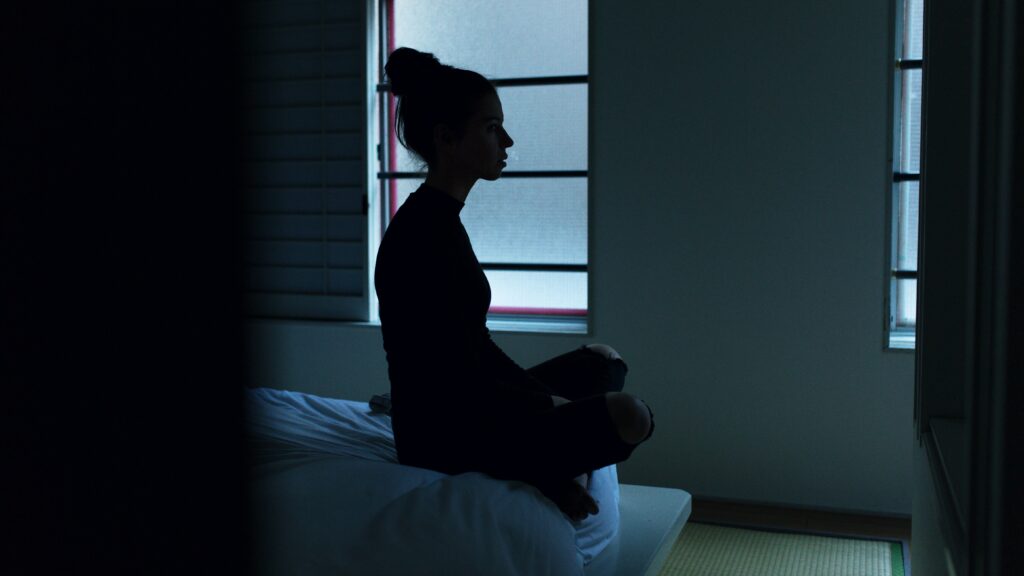
Photo by Ben Blennerhassett
So, is this just about the mind-over-matter mambo-jumbo? Absolutely not. As I mentioned earlier, insomnia or sleep disturbances are usually symptoms of underlying causes.
| Physical diseases and disorders, such as chronic pains, heart diseases, acid reflux, neurological disorders, restless leg syndrome, sleep apnea, circadian rhythm disorder, etc. could cause sleep difficulties. It’s always advisable to consult your doctor or a sleep specialist about your sleep concerns. It’s also best to do a proper sleep test to get an accurate diagnosis since our perception alone is unreliable. |
Nevertheless, addressing both our beliefs and sleep habits remains essential for achieving healthy and peaceful sleep. And fortunately, there are so many things we can do about that.
CBT-i
Okay, here comes another strange initials. Well, CBT-i stands for Cognitive Behavioral Therapy for Insomnia, one of the most well-known therapies. Basically, it utilizes the CBT framework (thoughts, feelings, physiology, and behaviors) specifically for sleep problems. Here’s the brief of its 5 key components:
Cognitive restructuring: In simple terms, change the mindset. This is what we have been focusing on, identifying, reflecting, and challenging unhelpful thoughts and beliefs, and replacing them with more helpful and realistic ones. Try the DBAS-16 if you haven’t done so.
Sleep restriction: It’s a technique to decrease the time spent awake in bed, go to bed only when we feel sleepy, and establish a consistent sleep schedule. The purpose is to increase natural sleep drive and sleep efficiency—the ratio between our time in bed (TIB) and total sleep time (TST)—by training our body to adapt the sleep schedule over a few weeks. There’s a lot of details and I suggest you research more about it if you’re interested.
Stimulus control: Bed is only for 3S (sleep, sex, and sickness.) No reading, eating, watching TV, or worrying in bed. The point is to get rid of any cues that stimulate the behaviors unrelated to sleep. “But many people read in their beds and can sleep just fine?” True, but can you?
Sleep hygiene: The things you can do to help improve and maintain good sleep.
- Dark and quiet room
- Consistent schedule
- No blue light or large meal a few hours before sleep,
- Unwind with the bedtime routine
- Comfortable and cozy bedding
- Avoid any stimulants, nicotine, and alcohol
- No or limited nap time
- Regular exercises
- Get a lot of sunlight
And the list goes on and on. “But many people break all these rules and can sleep just fine!” Again, true, but can you?
Relaxation techniques: Anything that can relax you: meditation, stretching, progressive muscle relaxation, yoga nidra, brainwave entrainment, or hypnosis.
Relaxation, also boredom, are the gateways to sleep.
As humans, we don’t have to be excited all the time. Ever fall asleep in a dull class or a long monotonous road trip? If so, I hope you weren’t the one driving.
One size does not fit all
After all this information, I still would like to say that don’t overthink it. Worrying and fixating on controlling your sleep is like going to war—It only harms and never helps, leading to more restlessness. Do what you can to promote good sleep, then let go.
You want to sleep like a log for 8 hours straight every night because you think you should? But Dr. Gregg Jacobs also said, “Waking up during the night is part of normal human physiology.” So, your sleep pattern may simply be different from others.
Peace before sleep

Photo by Alexander Possingham
Rest and relax. The body unwinds in the first two stages of sleep, the light sleep. The muscles relax, your body temperature decreases, and your brain, your heart, and your breath slow down, as you gradually drift off into slumber.
However, it’s not uncommon to be aware of the sounds and surroundings during these stages. We lose touch with the world completely only in dream sleep and deep sleep. You might be surprised to know that about 50% of total sleep time is spent in light sleep stages.
So by making peace with your sleep, you help the process by allowing the body to calm down and decompress. Forcing yourself and tensing up would be the total opposite of that. After a long tiring day, go to bed relaxed and get the rest you deserve.
May you have more peace each day. May you be happy with your sleep no matter what and have a wonderful night.
Be kind, be happy.
Leave a Reply